Style Preview


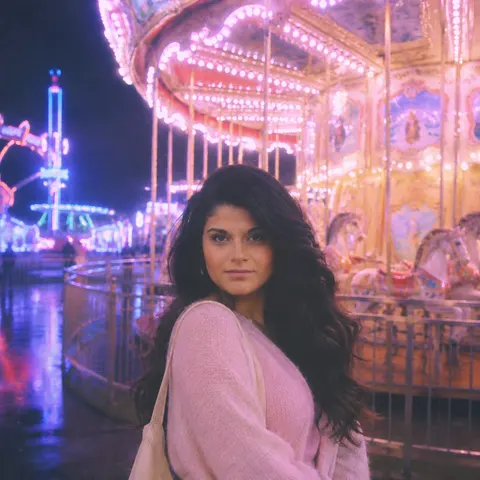
Add one clear reference image.
Image generation requires an account and credits. New users get starter credits after signing up.
Sign in to upload an image and generate with credits.
Your generated image will appear here.
Your result will appear here
We'll show your generated image here once it's ready.
GPT Image 2
3 credits
Style context
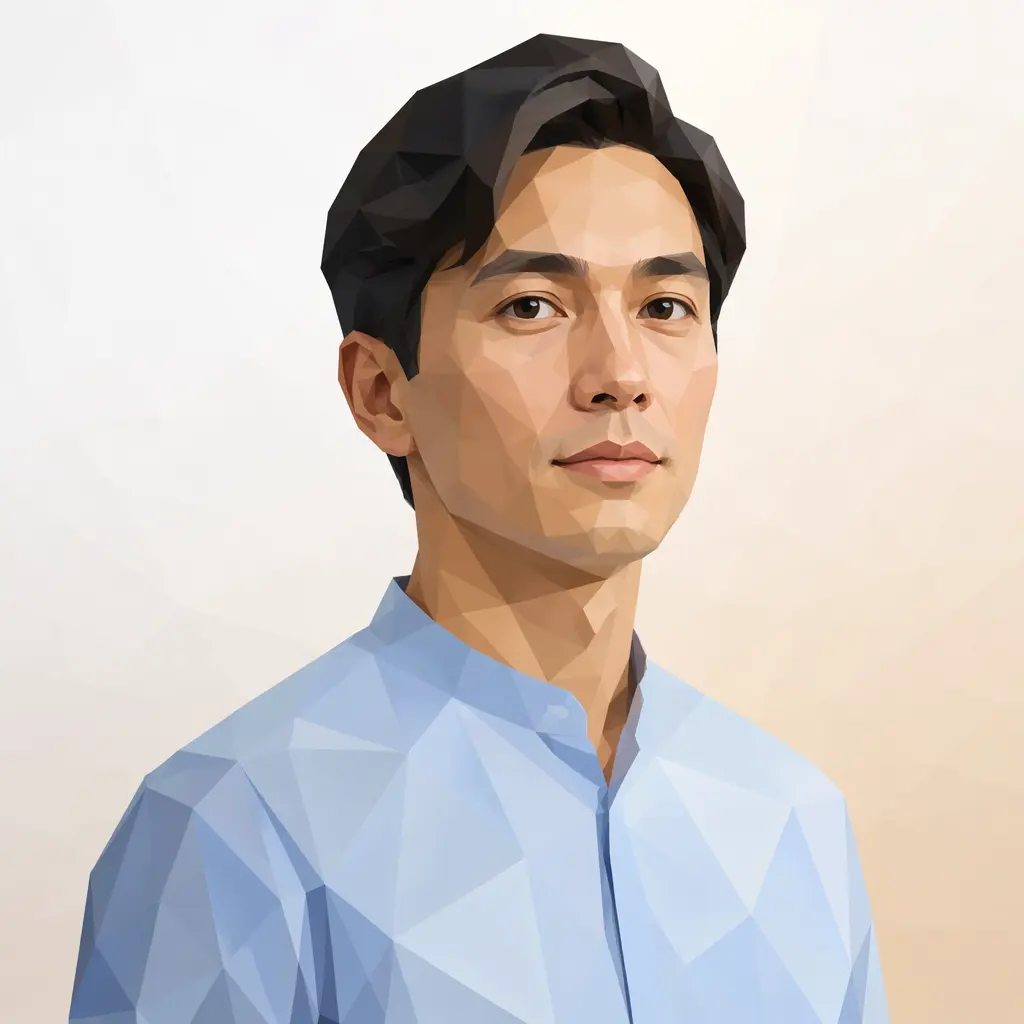
This template adds geometric structure to portrait photos while preserving the face and pose. It is a more polished, editorial version of low-poly styling rather than a rough filter.
Low Poly Editorial Portrait keeps the style direction visible while the selected model controls fidelity, speed, and credits.
Continue browsing
Generator guide
Learn how to use Low Poly Editorial Portrait AI Generator for Profile portraits, album-like covers, creator avatars, and modern editorial visuals, what output style to expect, and which related AI style templates to compare.
Low Poly Editorial Portrait AI Generator applies the Low Poly Editorial Portrait direction to people and portrait uploads. The template sits in the Portrait category and is designed for Profile portraits, album-like covers, creator avatars, and modern editorial visuals.
Low Poly Editorial Portrait AI Generator works best for Modern creator avatars and profile images, Album-like portrait covers, Editorial headshots with geometric character. The source image should already communicate the subject clearly so the template can focus on style rather than rebuilding the scene from scratch.
To use Low Poly Editorial Portrait AI Generator, start with one image, check whether the subject matches people and portrait uploads, then open the generator area for this template. The normal workflow is simple: Upload a clear headshot or upper-body portrait, Use images with visible facial structure and clean light, Generate a geometric editorial result for avatars or covers.
Low Poly Editorial Portrait AI Generator applies the Low Poly Editorial Portrait direction to people and portrait uploads. The template sits in the Portrait category and is designed for Profile portraits, album-like covers, creator avatars, and modern editorial visuals.
This generator should not be treated as a generic prompt. Its value is the curated visual recipe: Editorial portrait treatment with faceted low-poly planes, controlled geometry, and refined color rhythm.
Low Poly Editorial Portrait AI Generator works best for Modern creator avatars and profile images, Album-like portrait covers, Editorial headshots with geometric character. The source image should already communicate the subject clearly so the template can focus on style rather than rebuilding the scene from scratch.
For this Portrait template, the safest upload is Profile portraits, album-like covers, creator avatars, and modern editorial visuals. If the input does not match that subject type, the result can still be interesting, but it may not preserve the detail the user expects.
To use Low Poly Editorial Portrait AI Generator, start with one image, check whether the subject matches people and portrait uploads, then open the generator area for this template. The normal workflow is simple: Upload a clear headshot or upper-body portrait, Use images with visible facial structure and clean light, Generate a geometric editorial result for avatars or covers.
After generation, compare the output with the source. For Low Poly Editorial Portrait, check whether the result keeps the important structure while applying the expected portrait styling.
This template needs a source image with a readable subject, enough resolution, and a composition that supports Profile portraits, album-like covers, creator avatars, and modern editorial visuals. The upload should avoid heavy blur, extreme darkness, or a cluttered background that hides the main subject.
Because this is a person template, users should pay attention to people and portrait uploads. That subject assumption is part of the template's search intent and helps the page explain what kind of upload is most likely to work.
Low Poly Editorial Portrait AI Generator is expected to produce a visual direction defined by Faceted planes and controlled polygon edges, Balanced portrait lighting and modern color blocking, Readable face structure with stylized geometry. These style DNA notes describe what the result should feel like after the upload is transformed.
A strong output should look intentional, not randomly filtered. It should preserve the source image enough to stay trustworthy while making the final image easier to use for Modern creator avatars and profile images, Album-like portrait covers, Editorial headshots with geometric character.
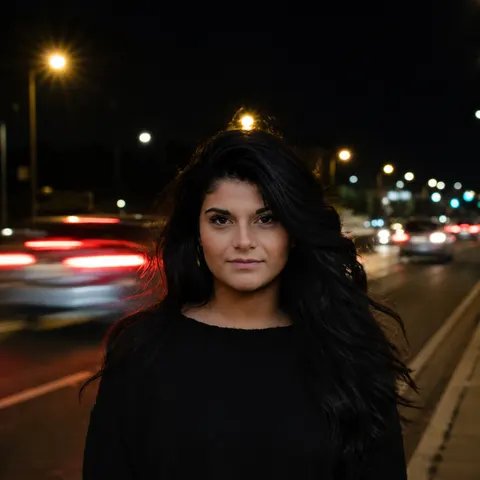
This generator belongs to the Portrait group, so related pages should help users compare nearby templates before choosing. Similar generators may share subject assumptions but differ in texture, color, layout, or publishing use case.
Internal links from this page should lead back to the AI image style templates library and to related generator pages, so users can move from Low Poly Editorial Portrait to another template without restarting discovery.
Low Poly Editorial Portrait AI Generator is best when the user wants the Low Poly Editorial Portrait look without writing a long prompt. The upload still matters because the model uses it as the main reference for subject, structure, and composition.
It can be used for Modern creator avatars and profile images, Album-like portrait covers, Editorial headshots with geometric character, but the final quality depends on whether the source image matches the template's intended subject and output style.
Before using Low Poly Editorial Portrait AI Generator, confirm that the source image matches people and portrait uploads, the intended result fits Modern creator avatars and profile images, Album-like portrait covers, Editorial headshots with geometric character, and the desired look aligns with Faceted planes and controlled polygon edges, Balanced portrait lighting and modern color blocking, Readable face structure with stylized geometry.
The page explains the user intent behind the workflow, the kind of source image that works best, the expected output, and the practical reason a creator would choose this route instead of writing a long prompt from scratch. That added context gives visitors enough detail to compare options before they start a generation.
Good source images usually have a readable subject, enough resolution for the model to understand shape and detail, and a simple composition that does not force the tool to guess what matters. The result is more predictable when the upload already communicates the main person, product, place, or object clearly.
A useful result should feel like the same idea has been translated into a stronger visual direction. The subject should remain understandable, the scene should keep enough continuity to feel trustworthy, and the final image should be easier to use in a profile, campaign, article, product page, or social post.
The content on this page is written for people comparing visual styles before spending credits. It describes what the style changes, what it should preserve, and where the result is most useful, so the page can answer search intent without relying only on a gallery card or a short metadata snippet.
When several templates look similar, the safest choice is to compare input type, output mood, and intended publishing channel. Portrait pages need identity and facial readability. Product pages need shape and package consistency. Travel or place pages need recognizable structure, perspective, and atmosphere.
The page explains the user intent behind the workflow, the kind of source image that works best, the expected output, and the practical reason a creator would choose this route instead of writing a long prompt from scratch. That added context gives visitors enough detail to compare options before they start a generation.
Good source images usually have a readable subject, enough resolution for the model to understand shape and detail, and a simple composition that does not force the tool to guess what matters. The result is more predictable when the upload already communicates the main person, product, place, or object clearly.